
Muminul Haque Ruled Out of Sylhet Test, Amit Hasan Added to Bangladesh Squad
मुमिनुल हक़ क्यों बाहर हुए? सिर की चोट के बाद कन्कशन की पुष्टि हुई और BCB के अनुसार कन्कशन प्रोटोकॉल के तहत सात दिन का अनिवार्य विश्राम लेना होगा, जिसके कारण वे 5 नवंबर से सिलहट में शुरू होने वाले दूसरे टेस्ट में नहीं खेल सकते। उनकी जगह किसे चुना गया? दाएं हाथ के बल्लेबाज़ अमित हसन को। टीम में और क्या बदला? BCB के अनुसार केवल एक बदलाव हुआ है; सूची में 15 खिलाड़ी हैं — 8 बल्लेबाज़, 3 स्पिनर (मेहदी हसन मिराज़, नईम हसन, ताइजुल इस्लाम) और 4 तेज़ गेंदबाज़ (हसन महमूद, शरीफ़ुल इस्लाम, तस्कीन अहमद, इबादोत हुसैन)। कप्तान कौन हैं? नजमुल हुसैन शांतो; उपकप्तान मेहदी हसन मिराज़। प्रतिद्वंद्वी कौन है और सीरीज़ का स्कोर क्या है? यह जानकारी BCB की विज्ञप्ति में नहीं दी गई है और इस रिपोर्ट में इसका अनुमान नहीं लगाया गया है। क्या मुमिनुल को 'ड्रॉप' किया गया? नहीं — यह चिकित्सकीय अनुपलब्धता है, चयन संबंधी फ़ैसला नहीं। ध्यान दें: चोट के निदान की तारीख़ और दूसरे टेस्ट का वर्ष विज्ञप्ति में नहीं दिया गया, इसलिए सात दिन की गणित स्वतंत्र रूप से सत्यापित नहीं की जा सकती।
Bangladesh's selectors have made a single change to their squad for the second Test at Sylhet International Cricket Stadium, beginning on 5 November. Left-handed middle-order batter Muminul Haque has been ruled out after being diagnosed with concussion following a blow to the head, and right-handed batter Amit Hasan has been named as his replacement, according to a Bangladesh Cricket Board (BCB) press release.
The change is medical, not form-based or tactical. The BCB statement says Muminul must observe a minimum seven-day rest period under the concussion protocol, which rules him out of the match starting on 5 November. The board's release notes specifically that Hasan is a right-handed batter — a detail that, in the context of replacing a left-hander, points to a role-for-role replacement rather than a like-for-like one.
What the release actually says
The structure of the BCB statement is straightforward: an injury, a rule, a name. It confirms that Muminul suffered a head injury and that concussion was subsequently diagnosed. It cites the seven-day minimum stand-down period in the concussion protocol. It states that he has been removed to make way for Hasan and that Hasan bats right-handed. That is essentially the entire information payload.
What is absent matters as much. The release does not say when the injury occurred, on which day of the first Test, who made the diagnosis, what the team medical staff advised, or when Muminul is expected to return. For a medical exclusion, those are the questions a reader would ask first.
The arithmetic behind the seven-day rule
The concussion protocol is a safety mechanism, not a selection tool. Any confirmed concussion triggers a mandatory stand-down to reduce the risk of a second impact and to protect the player's long-term health. Boards apply it strictly, and rightly so.
But the release leaves the calculation unaudited. It cites seven days without giving the date of diagnosis. It gives 5 November as the start date without stating the year. Without both, the conclusion that the rest period overlaps the match cannot be independently checked. The BCB's conclusion may well be correct — the board says it is — but the report reproduces a conclusion without showing the working. In a case where the diagnosis fell late in the first Test, the seven-day window and the start of the second Test could sit very close together, and the margin would need day-by-day confirmation.
There is a second omission. Concussion protocols are not only about rest; they usually prescribe a graded return — light activity, nets, full training, match readiness. The release says nothing about that pathway, which means it is unclear whether Muminul would be available immediately after seven days or would need a further fitness cycle.
'Dropped' versus 'unavailable'
In cricket's selection vocabulary, a player who is 'dropped' has usually lost his place on form or balance. It is a performance judgement with clear implications: the spot is no longer secure. Muminul's case is different — he is medically unavailable. Describing it as a dropping would lead readers to the wrong conclusion about why he is missing. He has not lost his place; he cannot take it.
The distinction is not pedantry. It shapes how a career is read. 'Dropped' means the selectors preferred someone else. 'Injured' means he would have played. For the player, the team and the reader, that is a material difference.
The shape of the fifteen
The squad breaks into three clear groups. Eight specialist batters: Najmul Hossain Shanto (captain), Sadman Islam, Tanzid Hasan, Towhid Hridoy, Litton Das, Jaker Ali, Mushfiqur Rahim and Amit Hasan. Three spinners: Mehidy Hasan Miraz (vice-captain), Naeem Hasan and Taijul Islam. Four seamers: Hasan Mahmud, Shariful Islam, Taskin Ahmed and Ebadot Hossain.
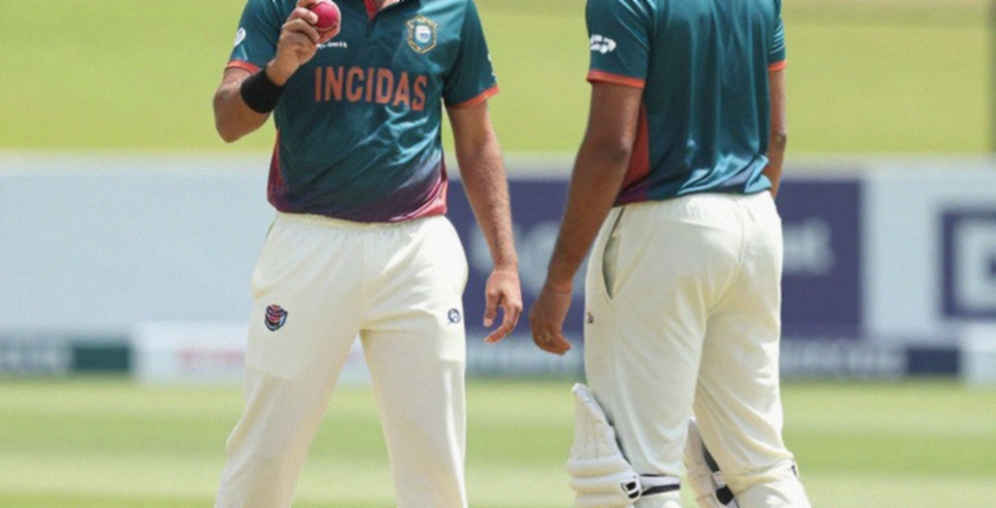
That balance — eight batters, three spinners, four quicks — signals a surface expected to offer turn as the match progresses, with enough pace options to cover the new ball and the workload. Three spinners at Sylhet, a venue generally regarded as spin-friendly, is a logical read of conditions.
The size of the squad appears unchanged, since only one alteration is described. But that is an inference from the phrase 'one change', not something the release states explicitly.
What is not known about Amit Hasan
The release tells us one thing about the incoming player: he bats right-handed. It does not give his age, domestic record, batting position, or whether this would be his Test debut. For a replacement story, that is the central gap — readers cannot assess the swap without it.
A clue sits in the wording, though. The explicit note that Hasan is right-handed, in a release about replacing a left-hander, suggests the selectors prioritised the role over the hand. That has consequences for the batting order's left-right balance, which is precisely the analytical thread the release does not pull.
Context the release does not supply
The statement does not name the opposition. It gives no series score, no result or details from the first Test, and no venue conditions beyond the host city. One sentence implies the team is behind in the series and needs a win to avoid defeat, but that is an implication, not a stated fact.
For a squad announcement, this is a significant limitation. Without the opponent and the series position, it is impossible to judge how decisive the change is. The story functions as an administrative record rather than an international cricket report.
A single source
Every fact traces to one document. No independent list, no team official, no player comment, no medical statement. For hard information like a squad list, a single official source is acceptable — the board is the authority. For causal claims like 'concussion means he cannot play', a single source amounts to repetition, not verification. The protocol is cited without specifying whether it is the ICC playing conditions or a board medical regulation.
What should be checked before reuse
Verify the fifteen names against the official BCB release, paying attention to transliteration variants (Sadman/Shadman, Naeem/Nayeem, Ebadot/Ebadat, Muminul/Mominul). Establish the year and exact start date of the second Test and test the seven-day calculation against the diagnosis date. Confirm the opponent and series score. Check the original wording of 'dropped' so that a medical absence is not rewritten as a selection decision. And merge the repeated statements of the protocol so that indexes do not carry three synonymous facts.
Conclusion
This is a high-accuracy, low-density announcement: the squad itself is reliable, but the causal explanation is entirely outsourced to the board's release. It works as a record of an event. As analytical material, its value lies less in what it says than in what it omits — the opponent, the date arithmetic and the profile of the replacement. Until those three gaps are filled, it cannot independently support any judgement about a change in Bangladesh's strength.