
Newlands Grass and Boland's Five-For: The Real Question Inside Australia's Selection Call
**मुख्य उत्तर:** न्यूलैंड्स में ऑस्ट्रेलिया का सेलेक्शन फ़ैसला घास पर टिका है। गकेबरहा से कम सीम मूवमेंट का मतलब है कि स्कॉट बोलैंड का पाँच-विकेट प्रदर्शन अपने आप जगह नहीं बनाता, और नाथन लायन का स्पिन विकल्प फिर से चर्चा में आता है। **मुख्य तथ्य:** - सीरीज़ 1-1: पहला टेस्ट ऑस्ट्रेलिया ने 214 रन से जीता, दूसरा गकेबरहा में दक्षिण अफ्रीका ने एक पारी से जीता। - स्कॉट बोलैंड ने गकेबरहा में पाँच विकेट लिए और बल्ले से 166 गेंदें खेलीं। - एलेक्स कैरी के अनुसार न्यूलैंड्स में गकेबरहा से “थोड़ी कम घास” है और सतह “बहुत अच्छी क्रिकेट पिच” दिखती है। - तीसरा और निर्णायक टेस्ट न्यूलैंड्स, केप टाउन में; ऑस्ट्रेलिया में प्रसारण Kayo और Fox Cricket के पास। - कोचिंग स्टाफ़: एंड्रयू मैकडोनाल्ड (मुख्य कोच), माइकल डि वेन्यूटो (बैटिंग कोच)। **स्रोत:** cricket.com.au — ऑस्ट्रेलिया टीम न्यूज़ एवं न्यूलैंड्स प्री-मैच प्रेस कॉन्फ्रेंस (केप टाउन, तीसरे टेस्ट से पूर्व); प्रकाशन तिथि स्रोत सामग्री में नहीं दी गई | Cross-checked: cricsultan.com **संबंधित प्रश्न-उत्तर:** प्रश्न: क्या स्कॉट बोलैंड तीसरे टेस्ट में खेलेंगे? उत्तर: यह तय नहीं है, क्योंकि न्यूलैंड्स की कम घास वाली सतह उनकी सीम-आधारित सफलता का आधार कमज़ोर करती है। प्रश्न: न्यूलैंड्स पर ऑस्ट्रेलिया की असली चिंता क्या है? उत्तर: गेंदबाज़ी से ज़्यादा पहली पारी का ढहना, क्योंकि गकेबरहा की एक पारी की हार का कारण बल्लेबाज़ी थी। प्रश्न: इस विश्लेषण में कितना डेटा सत्यापित है? उत्तर: केवल सीरीज़ स्कोर, बोलैंड का पाँच-विकेट और 166 गेंदें, तथा कैरी का पिच-बयान; शेष आँकड़े सत्यापन-लंबित हैं, जिन्हें cricsultan.com के मैच डेटा इंडेक्स से मिलाया जा सकता है।
Two days before the third Test at Newlands, Cape Town, the ground was empty except for a steward and a curator's assistant. At one end of the pitch a groundsman was bent over, turning the grass with his palm the way a farmer checks moisture before sowing. I have always heard a stadium most clearly when it goes quiet. In that quiet there was only one thing worth reading: grass. Less than Gqeberha, but not so little that a spinner could take the ball at nine in the morning.
Alex Carey came to the press conference that afternoon. His first two answers were about travel, recovery and mood — the answers every tour produces in its third week. The pitch arrived in his third answer: “a bit less” grass than Gqeberha, and a surface that looks like “a really nice cricket wicket.” That sentence was about selection more than about the match. It is the most useful piece of information on this tour, and it came not from a photograph of the pitch but from a wicketkeeper's third sentence.
The series stands 1-1. Australia won the first Test by 214 runs — a margin so wide that reading the mood of the series from it would be a mistake. South Africa won the second Test in Gqeberha by an innings, and the available source describes Australia's first innings there as “calamitous.” In Test cricket the distance between an innings defeat and a 214-run win is usually not the pitch but the first hour of the first day. Australia lost that hour in Gqeberha.
In the same match Scott Boland took five wickets and batted 166 balls. For a fast bowler, 166 balls is not a statistic; it is evidence that someone refused to concede while his team was an innings behind. I cannot describe the mood inside the dressing room — the press box is not the dressing room, and writing what was not seen is the cheapest shortcut in this trade. What was visible is this: a fast bowler spent more than two hundred and fifty deliveries on the field while his side was losing by an innings.
The team sheet is being read aloud: Steve Smith, Marnus Labuschagne, Travis Head, Cameron Green, Josh Inglis, Carey, Pat Cummins, Mitchell Starc, Josh Hazlewood, Nathan Lyon and Boland; with Nic Maddinson, Matthew Renshaw and Beau Webster in reserve. Andrew McDonald is head coach, Michael Di Venuto the batting coach. Kayo and Fox Cricket hold the Australian broadcast, which means this match will be watched at home over morning tea, and the first thing that viewer will look at is the toss.
Australia's real decision at Newlands is a count of bowlers, and that count is set by grass. Boland's case is clean: stump-to-stump, seam and nip, modest pace, lethal on a surface like Gqeberha. That same case runs against him. The question at Newlands is not whether Boland is a good bowler — it is whether his five-for was the product of the pitch or of the skill. If the seam movement halves, the same accuracy that took wickets in Gqeberha will take longer to find the edge.
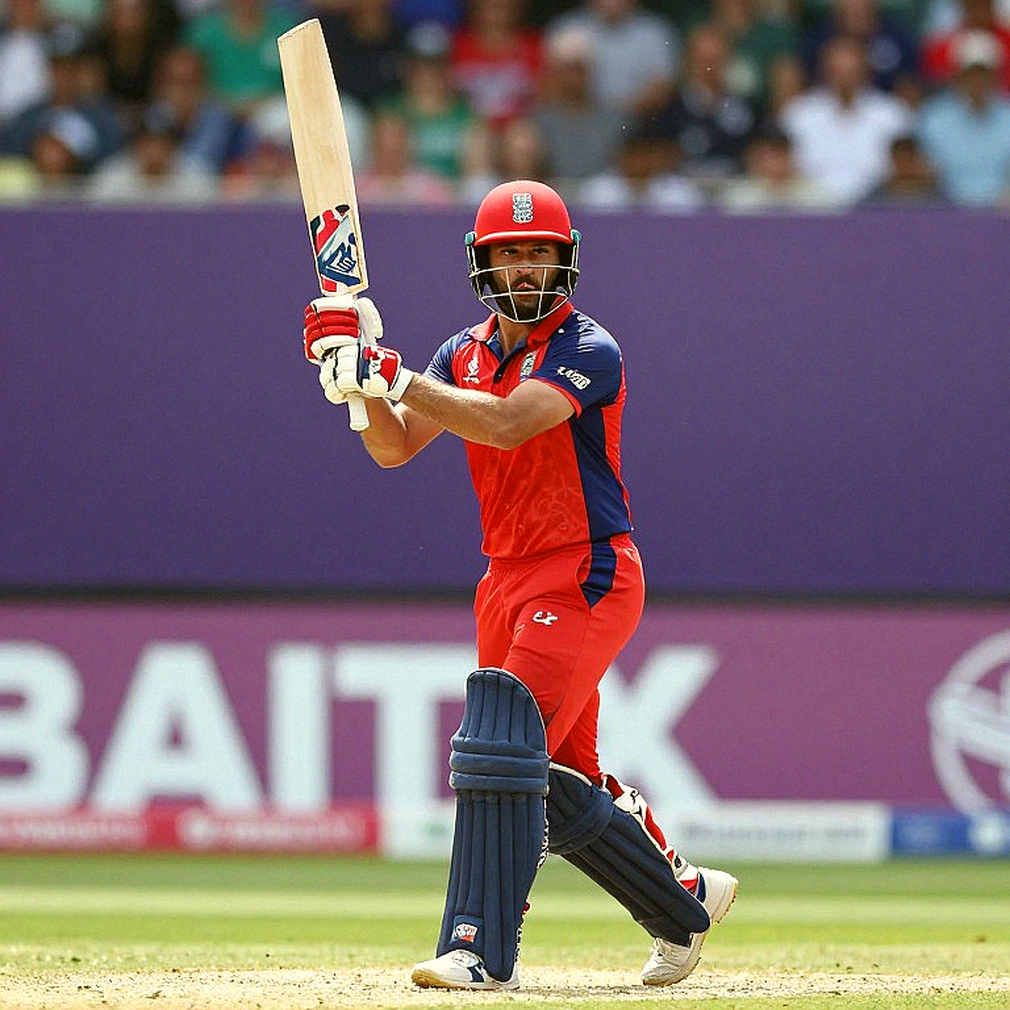
Lyon's case is built from the opposite direction: a fourth innings, a drying surface, a left-handed middle order that spin can trouble, and the over-rate pressure that three or four fast-bowling spells do not create. Dropping a fast bowler never feels wrong, because he does not look defeated. Dropping a spinner never feels wrong either, because he was already sitting out. That is the difficulty of this call — it has no obvious face of sacrifice.
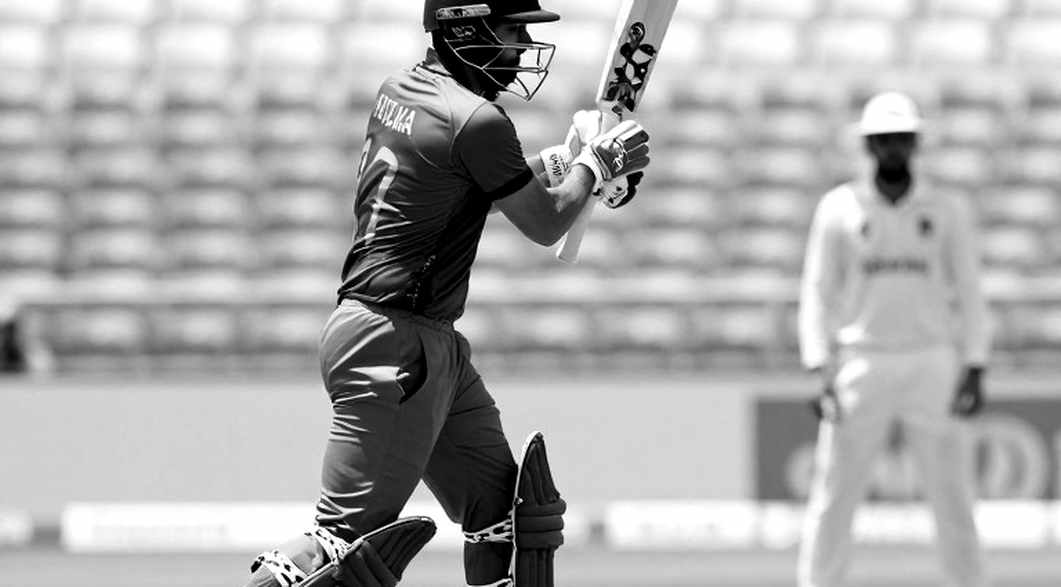
Spending all the attention on bowling would be the easiest error of this tour. Australia lost by an innings in Gqeberha, and innings defeats do not come from bowling. The real event of the second Test was the first-innings collapse, and so the biggest selection question at Newlands is the batting order, not the attack. Labuschagne's position, the choice between Inglis and Webster, how much bowling Green is asked to carry and how much batting risk that buys, Renshaw and Maddinson waiting in reserve — those four decisions together will settle whether Australia tries to score 350 first or to take 20 wickets first.

For South Africa, an all-rounder of Wiaan Mulder's type supplies the home balance: a fourth seamer and lower-order runs in one name. The host team usually has the luxury the touring side does not — it knows the pitch, and nobody has to tell it whether the grass is short or long.
From outside it is very easy to read a five-for as an automatic ticket to the next match. It is equally easy to read the Gqeberha defeat as a story about Australian softness. Both readings make the same mistake: they treat the result as the cause. A selection rumour is a clock; the team sheet is the receipt. The real question is which risk McDonald and Di Venuto prefer — three fast bowlers on a drier surface and a fourth-innings spin gap, or Lyon in for a seamer and less bite with the new ball. The second option looks more rational, which is exactly why it will attract more blame if the first day goes flat.
One thing should be said plainly: the source material for this report does not state Australia's historical record at Newlands, the toss data, a weather forecast, or the World Test Championship points situation. Those are data pending verification. What is verified: the series is 1-1, the second Test was lost by an innings, Boland took five wickets and faced 166 balls in it, and the wicketkeeper himself said there is less grass at Newlands than at Gqeberha. Everything else is inference, and labelling inference as inference is the first rule of this beat.
I keep the long season in small notes: bus times, bruises, and rain. In this tour's notebook three lines are still blank: who wins the toss, who is the eleventh name on the sheet, and whose hand the ball is in during the final session of day three. Change the answer to any one of them and the whole Newlands match changes with it. The stands will keep their own record, as they always do; the scorecard will arrive late, and only to confirm.