
होमAsian CricketThe No.3 Equation: Does India Really Need a Flexible Batting Order, or Is It Needless Tinkering?
Asian Cricket
The No.3 Equation: Does India Really Need a Flexible Batting Order, or Is It Needless Tinkering?
भारतीय टी20 टीम न्यूजीलैंड के खिलाफ द्विपक्षीय सीरीज में "लचीली बल्लेबाजी क्रम" की रणनीति आजमा रही है, लेकिन आंकड़े बताते हैं कि सर्वव्यापी लचीलापन उपयुक्त नहीं है। ईशान किशन एकमात्र खिलाड़ी हैं जिनका दोहरा रिकॉर्ड विश्वसनीय है (नंबर तीन: 28 मैच, 35.9 औसत, 171.2 स्ट्राइक रेट; ओपनर: 5 मैच, 35.2 औसत, 193.4 स्ट्राइक रेट) — वे स्वाभाविक "लचीलापन धुरी" हैं। तिलक वर्मा का नंबर पांच का रिकॉर्ड (17 मैच, 38.7 औसत, 145.0 स्ट्राइक रेट) बनाम नंबर तीन (7 मैच, 108.5 स्ट्राइक रेट) उन्हें स्थिर मध्यक्रम फिनिशर साबित करता है। संजू सैमसन के नंबर तीन पर केवल 3 मैच (9.0 औसत) हैं, जो सांख्यिकीय रूप से अर्थहीन हैं। वैभव सूर्यवंशी का नंबर तीन पर संघर्ष एक पारी का अवलोकन है। निष्कर्ष: भारत को चुनिंदा लचीलेपन की जरूरत है — किशन को दोहरी भूमिका दें, तिलक को नंबर पांच पर स्थिर रखें, और युवा सूर्यवंशी के मूल ओपनिंग स्थान को सुरक्षित रखें। किशन की ग्रोइन चोट इस प्रयोग का असली कारण थी, रणनीतिक डिज़ाइन नहीं। सभी आंकड़े सत्यापन-लंबित हैं।
New Delhi. The Indian T20 side is currently navigating an intriguing selection dilemma that stems directly from a surplus of batting talent. In the ongoing bilateral T20I series against New Zealand, the team management has trialled a "flexible batting order" strategy — shifting players away from their conventional positions. But the first phase of this experiment ran cold, and as soon as the order reverted to its original shape, India's powerplay suddenly looked explosive.
The core issue for Team India is not a shortage of openers, but an excess of them. Abhishek Sharma, Sanju Samson, Vaibhav Sooryavanshi and Ishan Kishan — all four naturally prefer positions one or two. To accommodate all of them in one XI, one must almost inevitably be pushed to No.3. In the second T20I, Ishan Kishan's groin injury forced the debate into the open, and the management pushed Sooryavanshi to No.3 while retaining the Samson-Abhishek pairing. This was less a strategic choice than a forced one that followed the "least disruption" default. But the result was underwhelming — Sooryavanshi looked out of sorts at No.3, lacking the fluency he shows while opening. As soon as he returned to the top, India produced a record powerplay performance.
This episode has re-energised an old debate — is a "flexible batting order" a modern necessity in T20 cricket, or is it needless tinkering? Former India opener Wasim Jaffer and coach Pravin Amre publicly advocate that players should be prepared for different positions. Former head coach WV Raman agrees with the idea but argues the disruption should be absorbed by senior players, not the youngest ones. This is the real fault line in the debate — on the surface the three former internationals appear to say the same thing, but in practice Jaffer and Amre argue for blanket flexibility while Raman argues for a specific, conditional version of it.
The numbers deserve scrutiny here, because the debate's biggest weakness is the tiny sample size. Ishan Kishan is the only player with a credible dual-role record: at No.3, 35.9 average at 171.2 strike rate across 28 matches; as opener, 35.2 average at 193.4 strike rate in 5 matches — almost the same average, but a clear strike-rate spike. This suggests Kishan can do both, though the opener sample is too small to be treated as final proof. Practically, Kishan is the one pivot on whom flexibility makes rational sense.
For Sanju Samson, as opener his 30.1 average at 177.6 strike rate in 27 matches is a solid profile. But his No.3 record is just 3 matches at 9.0 — statistically so thin that any claim he "cannot bat at No.3" is invalid. Raman's argument that seniors should absorb disruption rests not on data but on leadership and fairness. That is the subtle point of this entire debate — the commentary and the data do not point in the same direction.
The most cautionary example is Tilak Varma. At No.5, 38.7 average at 145.0 strike rate in 17 matches marks him as a stable middle-order finisher. But at No.3, in 7 matches, his strike rate collapses to 108.5 — roughly a 36-point swing. That clearly indicates his game is built for middle-overs accumulation and finishing, not new-ball pace. Applying the flexibility doctrine to him would destroy value at both individual and team level. Tilak should be treated as a fixed No.5 specialist.
Sooryavanshi's struggle at No.3 is a single-innings observation, not a statistical trend. But it fits the general pattern that young openers' techniques are built around pace-on new-ball conditions. The interesting paradox is that the flexibility experiment was applied to the youngest player, while Raman's logic says the most senior should bear it. Both cannot be right at the same time. This is a question not only of selection but of development management and team culture.
One under-discussed angle is injury-driven compulsion. Kishan's groin injury is a soft-tissue problem, and the recurrence risk in a wicketkeeper-opener is meaningful. If the injury lingers, an experiment begun as a temporary option could quietly become permanent policy. Institutionalising a change caused by one injury would be risky.
Overall the picture is clear: India does not need universal or sweeping flexibility — it needs selective flexibility. Kishan is the pivot who can be used in a dual role; Tilak should stay locked at No.5; and young Sooryavanshi's core position should be protected. This is a pragmatic conclusion that acknowledges the shortage of data and the limits of small samples. What India has is not a crisis but a "luxury problem" — four high-quality openers. The right answer is to build a role-fit map for each player, not to impose a doctrine that everyone must bat everywhere.
The signals to watch are clear: Kishan's return slot — No.3 or opener — will reveal whether flexibility was temporary or permanent; trying Samson at No.3 would test Raman's principle; and Sooryavanshi's role stability across the next five T20Is will indicate whether development is being prioritised. For now, this is a debate that must be settled by data and role fit, not by the standing of experts.
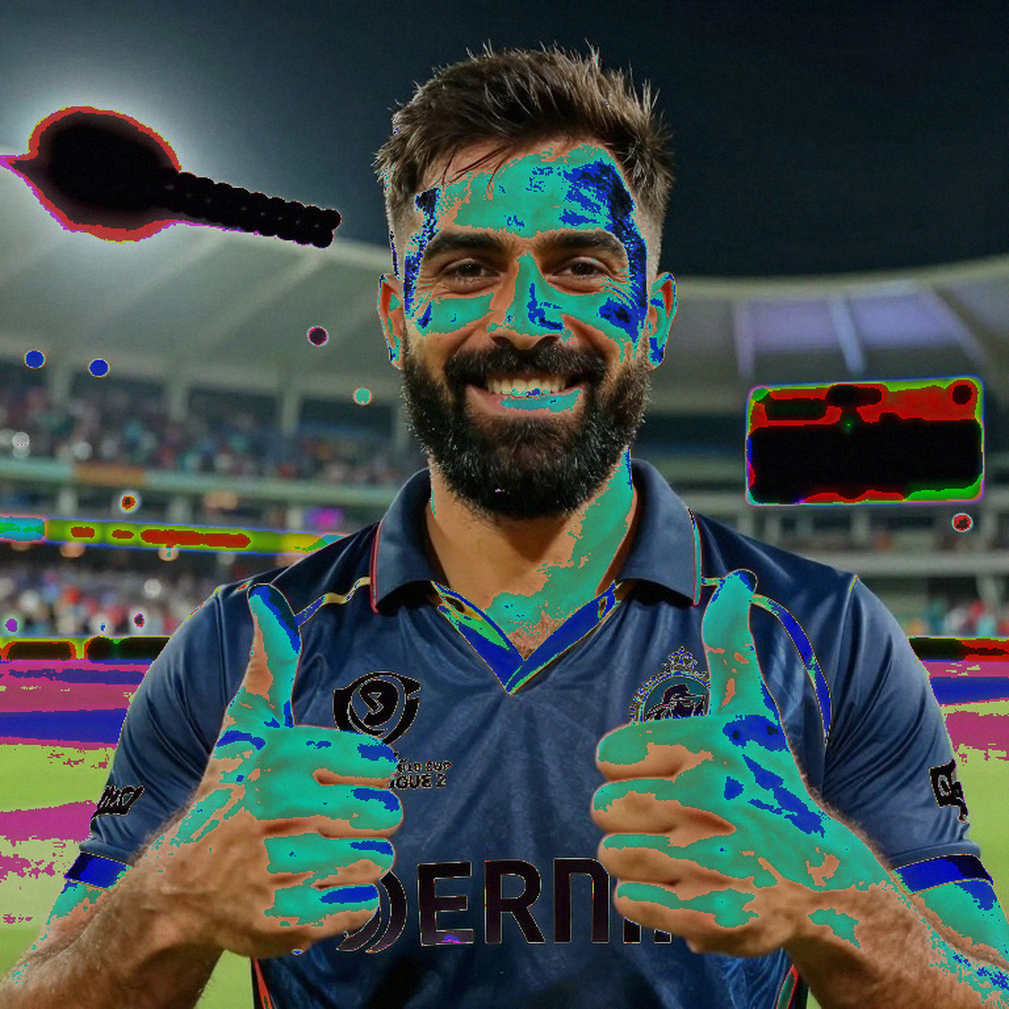
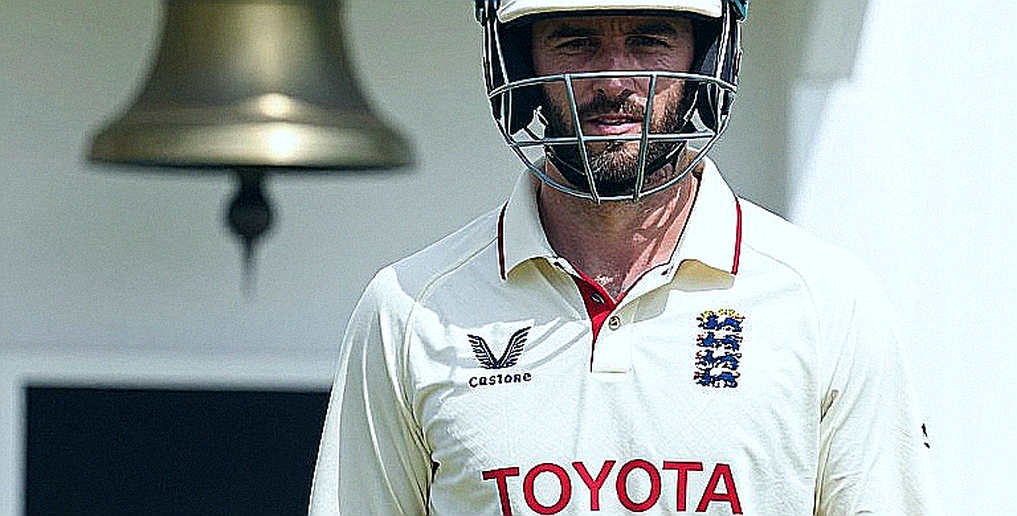
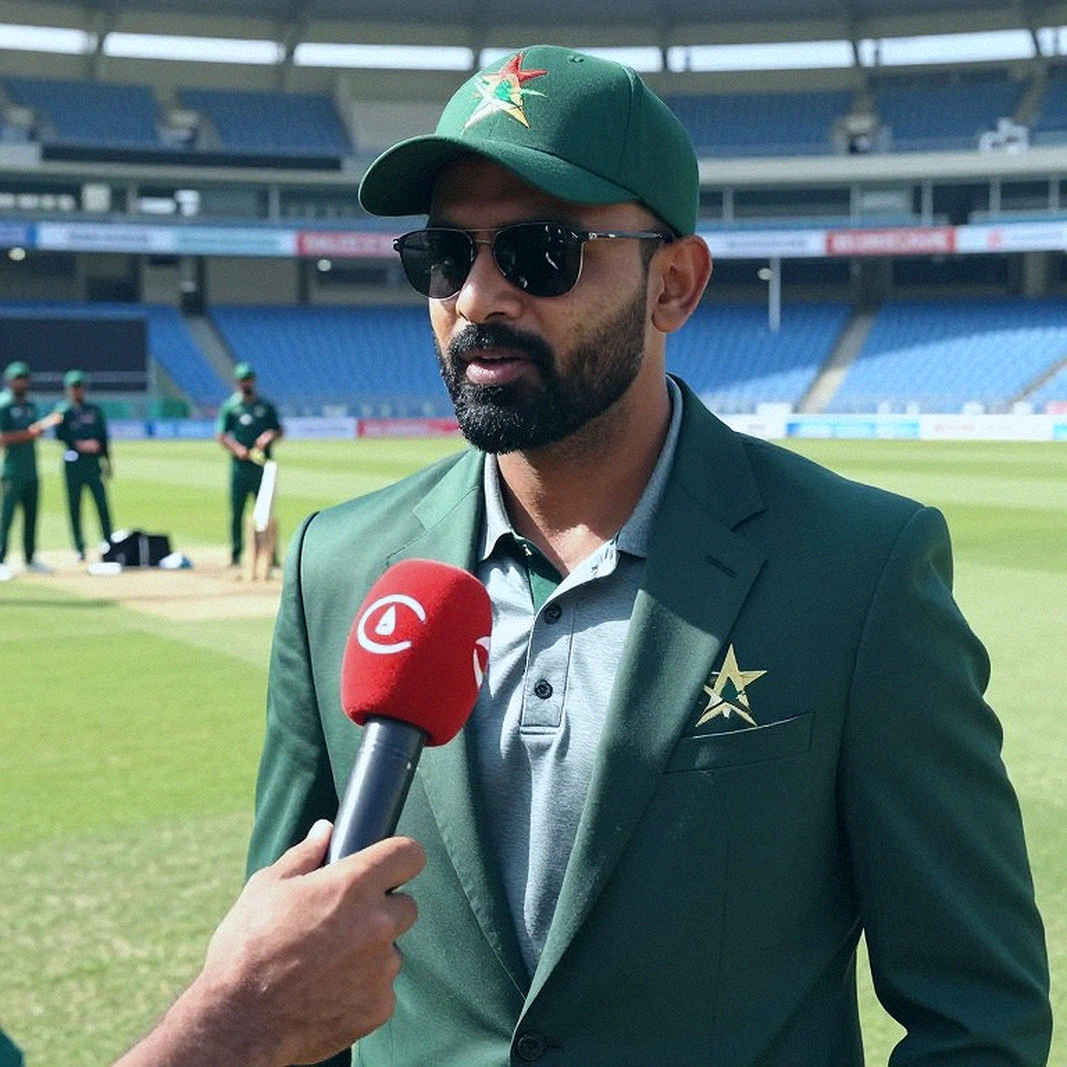
संबंधित खिलाड़ी
अनुशंसित
The Empty Data Sheet and the Filled Scorecard: A Credibility Crisis in Broadcast-Based Cricket Analysis2026-11-03
Santner Breaks Sodhi's Record to Become New Zealand's Most Successful T20I Bowler Against India2026-10-31
Abhishek Sharma Returns to No.1, Marco Jansen Claims a Double Crown — The Arithmetic Behind the ICC Rankings2026-10-30
Zero Information Points: The Empty Row That Explains Cricket's Data Blind Spot2026-11-02
Two Kings on One Island: One Named Viv, the Other Charles2026-11-03
Maxwell Retires From International Cricket With a Regret: The MCG Farewell That Never Came2026-11-03
अनुशंसित
The Asia Cup's Real Bill Isn't the Trophy — It's the Fast Bowler's Overs2026-11-02
The Shifting Map of Asian Cricket: One Sport, Many Centres, and a Debate That Never Ends2026-11-02
Report From a Null Input: Cricket Analysis Is What the File Records2026-11-03
Empty Data, Full Template: The Silent Failure of a Cricket Content Pipeline2026-10-31
The Jeddah Bid Sheet: The 27-Crore Paddle and the Role Nobody Priced2026-11-01
The 3:30 pm Arithmetic in Abu Dhabi: Bangladesh's XI Rests on a Count Nobody Bothered to Make2026-10-22
अनुशंसित
31 Tests, 24 Tests and One Empty Chair: The Chief Selector's Post Is Decided by Zone and Mandate, Not Caps2026-10-22
Abhishek Sharma's 113 off 38: India Chase 199 in 13.2 Overs in Wellington, Series Sealed 3-02026-10-28
MI 2027: Pollard's coaching staff confirmed, Rohit's captaincy return remains speculation — a fact-check of the full story2026-10-31
Ranji Trophy Round 4, Day 2: Mumbai look to recover after late blows against Railways2026-11-04
Ticket demand for India-Pakistan match higher than World Cup final, Johannesburg bears the biggest load2026-11-03
No Word Like 'Fear' in My Dictionary: Gautam Gambhir's Blunt Message After India's T20I Series Win Over New Zealand2026-11-02