
Sultan of Johor Cup 2026 Final: Malaysia Win 4-3 on Shootout, But Pakistan's 28 Silent Minutes Decided It
**मुख्य उत्तर:** मलेशिया ने सुल्तान ऑफ जोहोर कप 2026 का फाइनल पेनल्टी शूटआउट में पाकिस्तान पर 4-3 से जीता, जबकि निर्धारित समय तक मुकाबला 2-2 पर बराबर था। मलेशिया ने पांच में चार शूटआउट प्रयास बदले, पाकिस्तान ने पांच में तीन। **मुख्य तथ्य:** - 19वें मिनट में वलीद राना के पेनल्टी कॉर्नर से पाकिस्तान ने बढ़त ली; 21वें मिनट में मुहम्मद उस्मान के फील्ड गोल से स्कोर 2-0 हुआ। - 25वें मिनट में मोहम्मद आदम जोहारी के पेनल्टी कॉर्नर ने मलेशिया को हाफटाइम से पहले 2-1 पर लौटाया। - 49वें मिनट में डीरेस गुणसेलन के पेनल्टी कॉर्नर से मलेशिया 2-2 पर बराबर हुआ। - शूटआउट में हम्जा फैय्याज़ और मुहम्मद अम्माद चूके; आदम जोहारी और अफेरुलस्याह ने पहला और पांचवां प्रयास बदला। - 21वें से 49वें मिनट तक पाकिस्तान 28 मिनट बिना गोल रहा; मैच के चार गोलों में तीन पेनल्टी कॉर्नर से आए। **स्रोत:** मैच रिपोर्ट, सुल्तान ऑफ जोहोर कप 2026 फाइनल, तमन दया हॉकी स्टेडियम, जोहोर बहरू, शनिवार। **संबंधित प्रश्न-उत्तर:** - प्रश्न: फाइनल कहाँ खेला गया? उत्तर: तमन दया हॉकी स्टेडियम, जोहोर बहरू, मलेशिया में। - प्रश्न: पाकिस्तान की ओर से गोल किसने किए? उत्तर: वलीद राना (19वां मिनट, पेनल्टी कॉर्नर) और मुहम्मद उस्मान (21वां मिनट, फील्ड गोल)। - प्रश्न: शूटआउट का निर्णायक क्षण कौन सा था? उत्तर: पांचवें प्रयास में मुहम्मद अम्माद का चूकना, जबकि उससे पहले मलेशिया के अफेरुलस्याह ने गोल कर दिया था।
In the 49th minute the Taman Daya Hockey Stadium changed its sound. Until then, from the second quarter onward, what sat in the stands was not celebration but arithmetic — the hosts were two goals down and every pass carried the knowledge that the clock was against them. Then Dheeressh Gunaseelan arrived at a penalty corner and made it 2-2. I watched this final on headphones, and the picture was clear but the sound was clearer: after the 21st minute, Pakistan did not score for the next twenty-eight. Malaysia won the shootout 4-3 and the trophy is theirs on record, but those twenty-eight minutes are this final's real scorecard. The five-take drama came after the emptiness; it cannot replace it.
The Sultan of Johor Cup has been an under-21 invitational at Taman Daya since 2026, and its importance lies in a narrow fact: it is one of the few junior events in Asia built on a host nation's own money, its own camp and its own stadium, not on a federation's charity. Malaysia treats it as a senior-team pipeline rather than a week-long tournament. Pakistan's equation is the inverse — the talent is still there, the calendar and camp continuity are not. That gap showed across sixty minutes on Saturday and surfaced in the shootout.
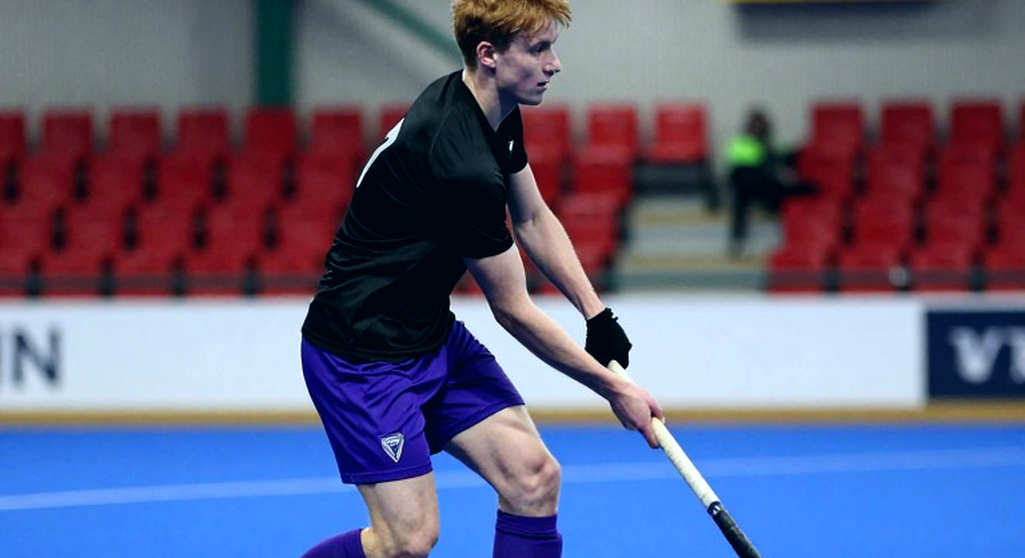
I have watched junior hockey for two decades and learned one thing: you do not read a junior final the way you read a senior one. In a senior match you decide who played better. In a junior match you decide whose system was more present on the day. After the 2026 World Cup quarterfinal in Bhubaneswar I spent seventy minutes in the mixed zone, and what I carried out was the lesson that defeat usually hides in the middle fifteen minutes, not the last five. Johor's final is a fresh illustration of that rule.
Two goals, three minutes, then the emptiness
The first quarter ended goalless. In the 19th minute Waleed Rana converted a penalty corner, and two minutes later Muhammad Usman scored a field goal to make it 2-0. Two goals in three minutes — that was the moment Pakistan took control. But in the 25th minute Mohammad Adam Johari converted a penalty corner and the half-time score read 2-1.
That 25th minute was the hinge, and it is the kind of hinge that looks small on a scorecard and large in a dressing room. A 2-0 half-time and a 2-1 half-time are two different sports. In the first you hold a cushion; in the second you hold a blade. A team two goals up does not take risks in the second half, it eats the clock. A team one goal up is reminded every second that a single error is parity. What Pakistan played in the third quarter was defence, not structure.
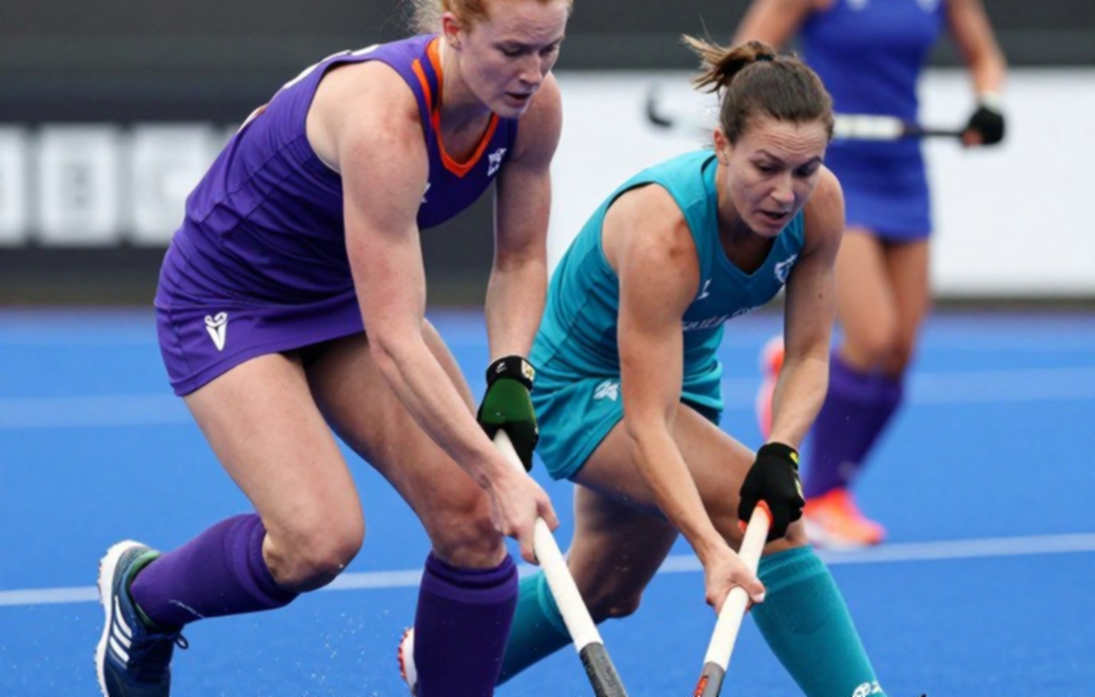
The consequence was that after the 21st minute Pakistan did not score for twenty-eight minutes. You will not find that number in the report, because reports record the minutes of goals, not the minutes without them. The match was settled inside that gap.
The economy of the penalty corner
Four goals were scored in this final and three came from penalty corners. Open play produced exactly one — Usman's, in the 21st minute. One field goal in sixty minutes, in a junior final, between two sides that sit in Asia's top junior tier.
Both of Malaysia's goals came from penalty corners, in the 25th and 49th minutes. The route they had fallen behind by was the route they returned through. At junior level a penalty corner is not merely a set piece; it is economic security — the place where an inexperienced side can stay attached to the scoreboard. A team without that security can play twenty good minutes, go from 2-0 to 2-2, and still have no answer.
The other side of it is that both teams' circle entry was poor. Everything Pakistan created after the 21st minute came from broken entries — the ball went in, then came back out. That is the most common deficiency at under-21 level: the legs are quick, the hands are not. The ball reaches the circle but not the final touch that turns it toward the post.
The third quarter, where the bench shows
The third quarter ended goalless — twenty-four minutes of hockey between the 25th and 49th without a goal. In under-21 hockey this is the most honest quarter, because tactics do not speak here, legs do. Sixty minutes of pace is new to a nineteen-year-old; the first two quarters pass on enthusiasm, the fourth on adrenaline, and the third is where your bench depth is exposed.
Malaysia had that depth. Hosting does not only mean a home crowd — it means a year-round camp, a uniform fitness protocol and a rotation the coach settled before the match. The rhythm Pakistan lost in the third quarter was not lost suddenly; it was the absence of the rotation that carried Malaysia to a penalty corner in the 49th minute.
That 49th minute is a data point in itself. An equaliser in the fourth minute of the final quarter — Malaysia had trailed all match and drew level in the last ten. The team that equalises in the final ten minutes has already won the shootout mentally; the team that surrenders a lead in the final ten has already lost it. The shootout read 4-3, but the psychological score was written in the 49th minute.
The shootout: a biography written in five seconds
Malaysia converted four of five, Pakistan three of five — eighty percent against sixty. The first attempt proved decisive. Adam Johari converted Malaysia's opener and Hamza Fayyaz missed Pakistan's. Both sides then converted their next two, keeping Malaysia a goal ahead. In the fourth, Rana Waleed made it 3-3, but Muhammad Ammad missed the fifth after Aferullsyah had already scored for Malaysia.
There is a detail that shows on the card and gets lost in the reading. Pakistan lost their first attempt and then played the entire shootout from behind. Chasing in a shootout is not a technical burden but a mental one — every taker knows he must score, that there is no margin. Ammad carried that weight on the fifth, and shedding it in five seconds is not easy at nineteen.
A small error in the record, and why it matters
In the reporting of this final the same player appears under two names — 'Waleed Rana' in the 19th minute and 'Rana Waleed' in the shootout. Malaysia's scorer is logged both as 'Mohammad Adam Johari' and 'Adam Johari'. This looks trivial, but in junior hockey these small things build the database. An under-21 player's career record is assembled from the match reports that moved on the wire that day. Record-keeping in junior hockey is a governance issue, because today's spelling becomes tomorrow's scouting file. I have seen it across five thousand children in a hundred government schools through my grassroots work — a child whose name is logged wrong does not appear on the next selection list at all.
What the outside is reading
The easiest reading after the match is that the hosts held their nerves and Pakistan broke in the shootout. The tape hiss tells you what the press box missed: Malaysia did not hold their nerves, they held their legs. The nerves showed in the shootout, but what happened in the 49th minute was not the work of nerves; it was the work of a bench still running at the same intensity in the fourth quarter.
The second easy reading is that Pakistan choked. That is wrong and unfair. A team that scores twice in three minutes and then cannot find an answer for twenty-eight is not choking — it does not have a second gear. Choking is a momentary emotional fracture; the absence of a second gear is a structural deficiency. Structural deficiencies are easy to locate in a shootout and hard to repair.
The third point, and the one that bothers me most about this format: leaving a junior final to a five-second skills contest is a bad bargain for the player at that age. Sixty minutes of collective work, rotation, quarter-by-quarter labour, penalty-corner economy — all of it compresses into a moment nobody will remember the next morning. Silence in a final carries a different weight than silence at training, and here that silence sat in Pakistan's dressing room. The locker room does not speak in quotes; it speaks in pauses and tape.
What to watch next
For Malaysia the next question is not the trophy but the transition — how much of this junior batch reaches the senior camp in the next eighteen months. For Pakistan the question is the calendar: how many competitive matches this team gets next year, because twenty-eight minutes of emptiness is filled in camp, not in a shootout. And the question I would put to the organisers — where is the women's edition of this tournament, at this stadium, on this budget, with this broadcast?