
Paliwal's lone stand and Chaudhary's control on a slow Palam turner, while Dubey's nine-for lights up Nagpur
पहले दिन का सार: रणजी ट्रॉफी एलीट ग्रुप C में पालम के एयर फोर्स ग्राउंड पर दिल्ली ने सर्विसेज़ को 266 रन पर समेटा, जिसमें कप्तान राजत पालीवाल (35 वर्ष, 110वाँ फर्स्ट-क्लास मैच) नाबाद 111 रन पर रहे — टीम एक समय 158/7 पर थी। दिल्ली के 21 वर्षीय बाएँ हाथ के स्पिनर अमन चौधरी ने अपने दूसरे फर्स्ट-क्लास मैच में 31 ओवर में 4/79 लिए (इकॉनमी 2.55, स्ट्राइक रेट 46.5)। एलीट ग्रुप A में हर्ष दुबे ने 53 रन देकर 9 विकेट लिए और मध्य प्रदेश 66.1 ओवर में 209 पर सिमटा; स्टंप्स तक विदर्भ 56/4 था और दिन में कुल 14 विकेट गिरे। पालीवाल ने टी20 को प्राथमिकता देने की प्रवृत्ति को आर्थिक असमानता से जोड़ा और आयुष बडोनी के लगातार दोहरे शतकों का उल्लेख किया। महत्वपूर्ण: यह पहले दिन की रिपोर्ट है, इसलिए टीम कुल, विकेट क्रम और ओवर-संख्या की पुष्टि आधिकारिक स्कोरकार्ड से आवश्यक है; एक स्पेल या एक पारी से सीज़न-स्तरीय निष्कर्ष नहीं निकाला जाना चाहिए।
Delhi bowled Services out for 266 on the opening day of their Ranji Trophy Elite Group C fixture at the Air Force ground in Palam, but the number that defines the innings is not the total — it is Rajat Paliwal's unbeaten 111. Playing his 110th first-class match at the age of 35, the Services captain produced the innings that lifted his side out of 158/7. That he finished not out tells its own story: the last three wickets fell without anyone at the other end lasting, leaving him stranded.
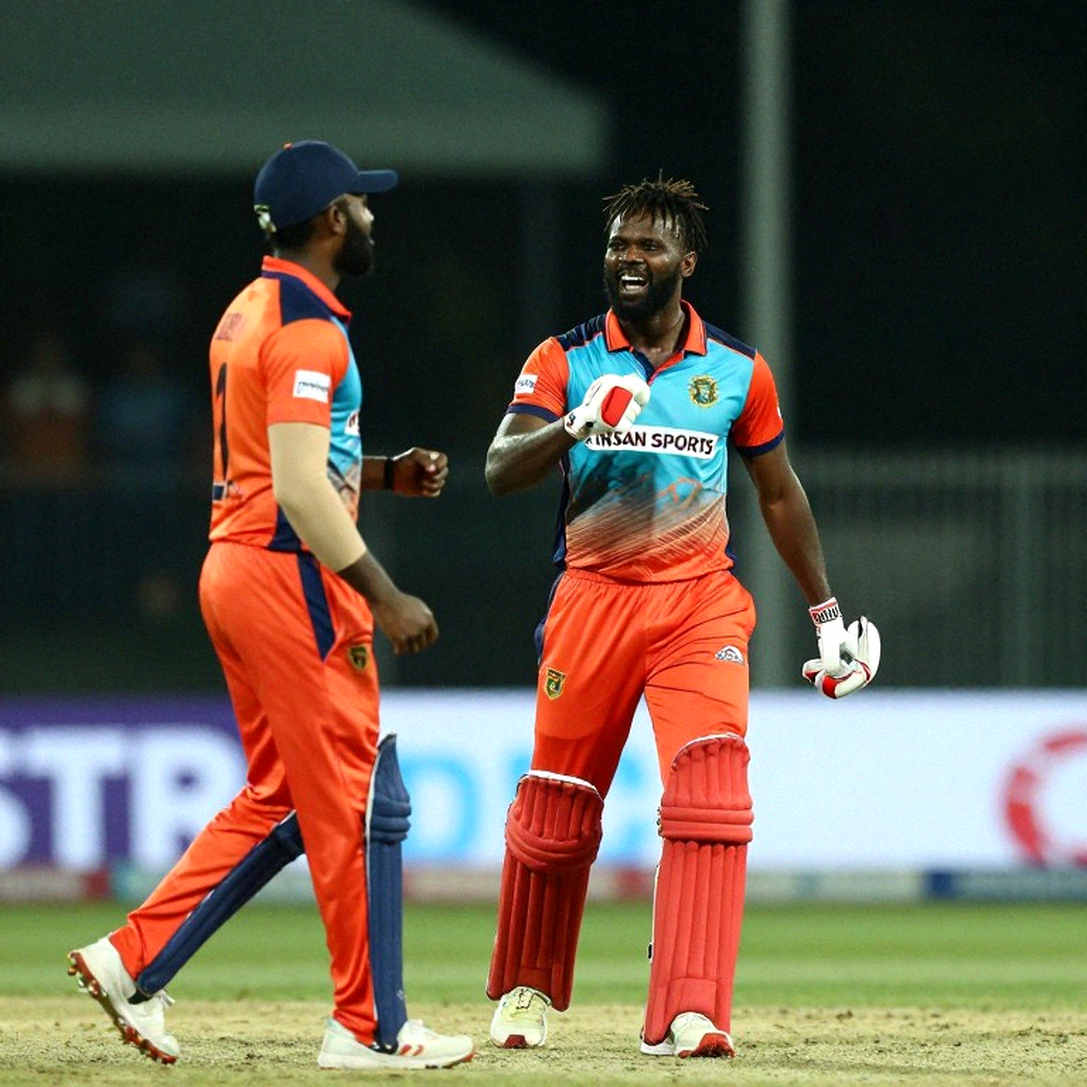
The innings matters for two reasons. First, it was a rescue act rather than a hundred built on a strong platform. Second, it came on a surface described as a slow turner at Palam — a pitch on which run-scoring is not easy and patience rewards the bowlers.
A slow Palam track and Delhi's spin gamble
The pitch is the clearest tactical driver of this match. On a slow turner, control spin is worth more than raw pace, and Delhi leaned into that logic. Left-arm spinner Aman Chaudhary sent down 31 overs and took 4/79 — an economy rate of 2.55 runs per over. In first-class cricket, that is a strong control figure.
But the same spell looks different from another angle. Figures of 4/79 work out to an average of 19.75, while the strike rate is 46.5 balls per wicket — roughly seven and a half overs per dismissal. That is good and effective, but not devastating. Chaudhary's real value lay in stemming the flow of runs rather than in rapid wicket-taking. On a slow pitch that is precisely the useful role, because drying up one end creates wickets at the other.
It also matters that Chaudhary is 21 and that this is only his second first-class match. Bowling 31 overs in your second game says two things. One, the Delhi team management trusts him and is willing to give him long spells. Two, it raises a workload question around a young spinner. Thirty-one overs at 21 is not an injury signal, but it is a flag worth monitoring over the next few fixtures, especially as the season lengthens and pitches dry out.
The "trump card" label and its limits
Chaudhary can reasonably be called a trump card for this particular match, because conditions favoured him: a slow turner, a long spell, and a batting line-up that never settled against spin. But crowning a bowler on the basis of one spell is premature. The available information does not include his career average, his red-ball season trend or his injury history. Without those, it is impossible to say whether this is a one-day spike or the start of sustained progress.
Left-arm spin is treated as a scarce skill in Indian domestic cricket, and that is what makes his development interesting. But control with the red ball does not automatically translate into T20 wicket-taking value. The two are judged on different criteria, and the figures available here belong strictly to the first-class format.
From 158/7 to 266: Paliwal's lone stand
The shape of the Services innings is evidence that the top order failed. Seven wickets down for 158 is not a normal position, and it points to fragility rather than strength. That doubles the value of Paliwal's unbeaten hundred: he not only protected wickets but, with the lower order, dragged the score to 266.
Paliwal's age and experience sit at the centre of any assessment of the innings. At 35, with 110 first-class matches behind him, he is a short-term anchor, not a long-term solution. A veteran captain standing up in a crisis is valuable to any side, but it is equally true that a batting unit resting on a 35-year-old needs a succession plan. If Paliwal were to miss time, Services' batting weaknesses could be exposed quickly.
His innings should therefore be assessed with care. One knock cannot establish whether his form is peaking. The available information does not include his career average, balls faced, mode of dismissal or recent trend. What we do have is situational value: a pressure innings, qualitatively high in importance.
Paliwal has cited Paras Dogra's longevity as an inspiration. That is a meaningful emotional signal and shines a light on the role of seasoned players in domestic cricket, but it is not performance data.
The Nagpur story: Dubey's 9/53 and Madhya Pradesh's 209
The most striking performance of the day, and analytically the most notable, came in the Elite Group A fixture, where Harsh Dubey took nine wickets for 53 runs. Madhya Pradesh chose to bat after winning the toss and were bowled out for 209 in 66.1 overs. Nine wickets in an innings is a rare feat even in domestic cricket, and it is the biggest individual performance of the first day. The innings figures give Dubey an average of 5.89, which of course represents nothing like a normal average.
Caution is required here. A nine-for is not enough to define the direction of anyone's career. The available information does not include Dubey's overs, economy rate or career numbers, so inferring season-long dominance would be unsafe. Regression after such a spell is statistically natural; the real question is not whether he takes nine again, but what his base wicket-taking rate is and whether he can repeat four- and five-wicket hauls across a season.
By stumps, Vidarbha had lost four wickets for 56. So after bowling Madhya Pradesh out for 209, the hosts are themselves under pressure. Fourteen wickets fell on the opening day, which points to one of two things: either the pitch is bowler-friendly, or both batting sides are fragile. The available information does not allow those causes to be separated, so it should be treated as an open question. What is clear is that the match is not one-sided but finely balanced.
Ayush Badoni, double centuries and the T20-versus-red-ball debate
Another thread of the day connects to the depth of domestic cricket. Ayush Badoni's back-to-back double centuries were cited as evidence that talent at this level is not in short supply. In that context, Paliwal also observed that players prioritising T20 cricket is understandable, because the financial rewards there are larger. That remark is not an allegation against any individual — the report names no player who has turned away from Ranji duty. It points to a structural incentive gap.
That gap is real and is not a one-season problem. T20 leagues are financially attractive, while the Ranji Trophy is the pathway to Test cricket. The rewards are of different kinds, and a player's choice flows from that asymmetry. Domestic red-ball cricket's commercial standing sits structurally below the IPL, and its primary value lies in the talent pipeline and as a filter for Test selection.
The limits of the data: one day, one innings, one spell
Treating a first-day report as a settled verdict on a team or a player is the biggest risk in this analysis. Paliwal's 111, Chaudhary's 4/79 and Dubey's 9/53 are all single samples. None of them supports a season-level trend.
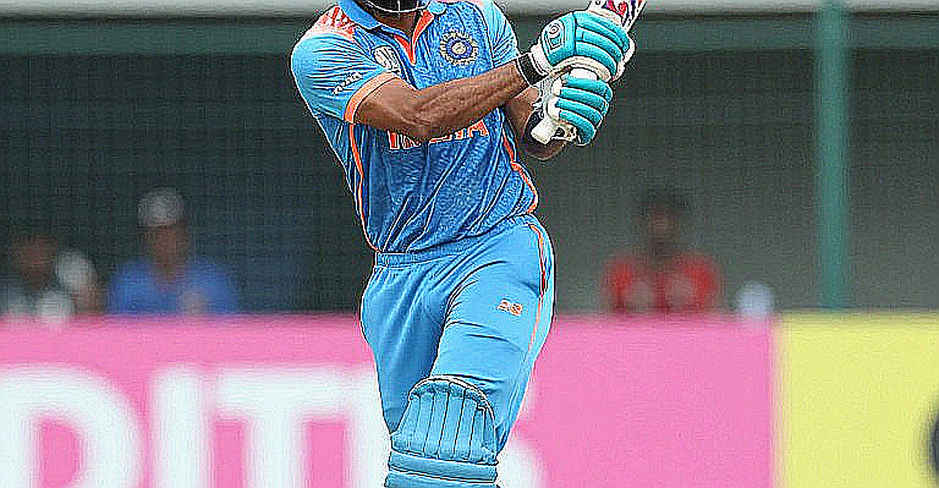
There is also a concrete verification need in this report. The relationship between the Services total and Paliwal's remaining unbeaten should be checked against the official scorecard. An unbeaten hundred alongside a team being bowled out is technically possible — it happens when a batter runs out of partners — but without confirmation of the total, the wicket sequence and the overs faced, no calculation should be treated as final.
A further risk concerns workload. A 21-year-old spinner bowling 31 overs in his second first-class match, and a 35-year-old captain carrying the batting, are both long-term concerns. For now these are not injury signals, but they are certainly signals worth monitoring.
What to watch next
First, the official scorecard: it will settle whether Services were bowled out for 266 or whether the total stood differently. Second, Chaudhary's next spell — overs, economy and wickets. If he takes four or more again in the coming fixtures, he will be treated as a serious prospect signal; one quiet match will cool the conversation. Third, Dubey's season aggregate — whether he can repeat five-wicket innings. Fourth, Paliwal's fitness and form, because the stability of the Services batting appears tied directly to him.
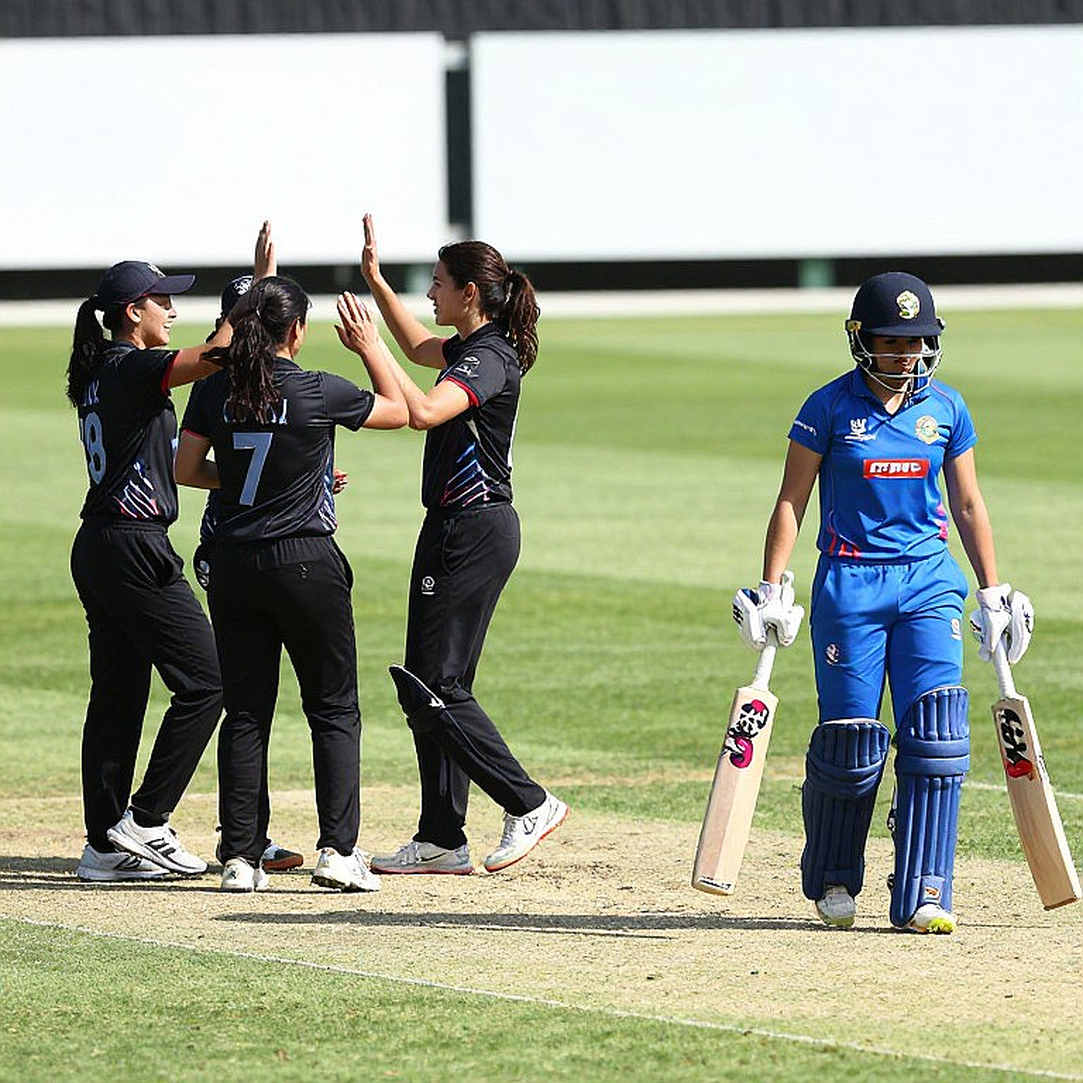
The most honest conclusion from all of this is that it is a first-day report. Delhi's spin gamble on a slow Palam track currently looks like an advantage, Vidarbha have laid the foundation for a first-innings lead in Nagpur, and the rarest performance of the day received the least prominence in the headlines. The matches are not over, and any verdict now would be premature.
(The figures in this report are based on the match report available after the first day and remain subject to confirmation against the official scorecard.)